A foundation shaped
by a personal vision
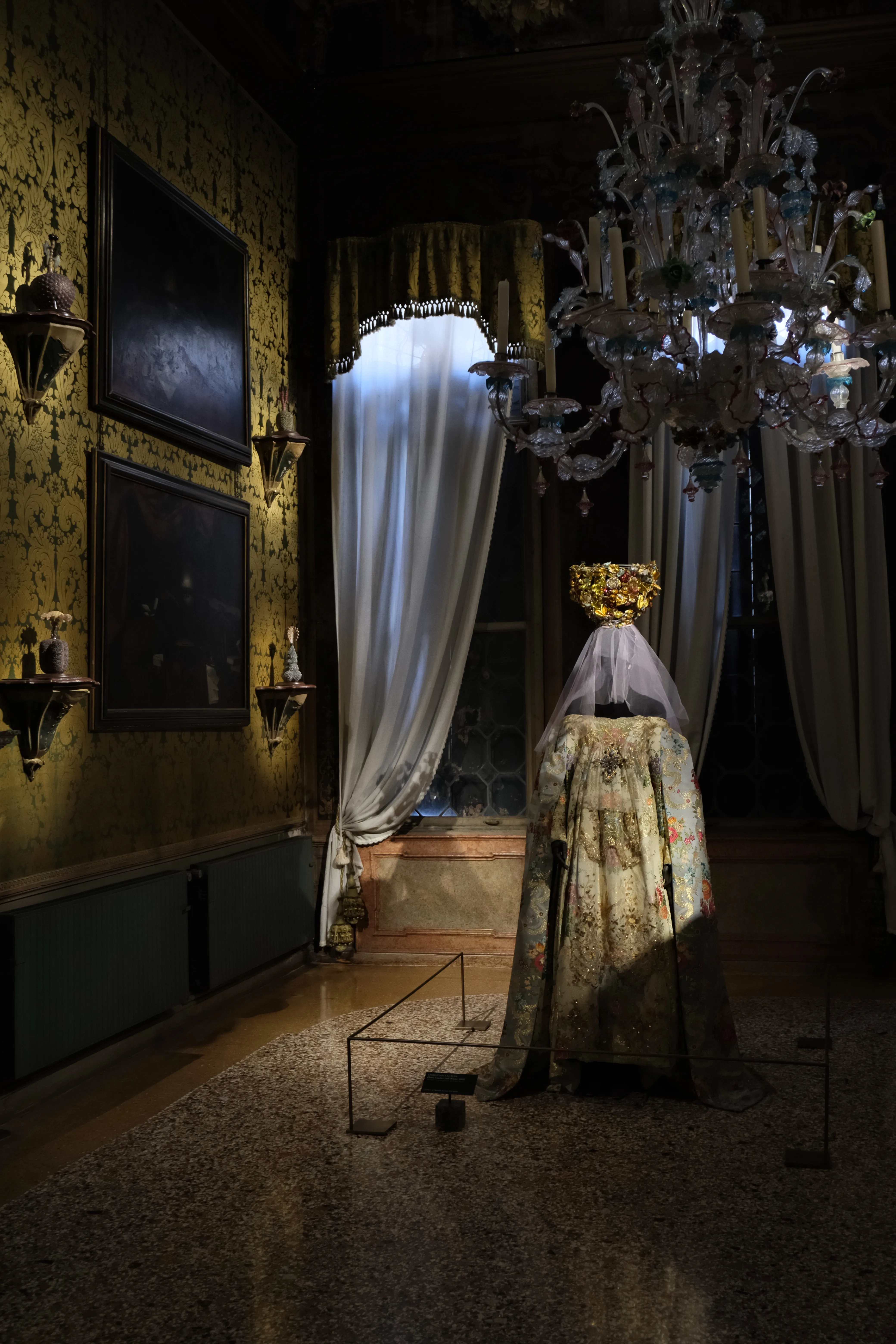
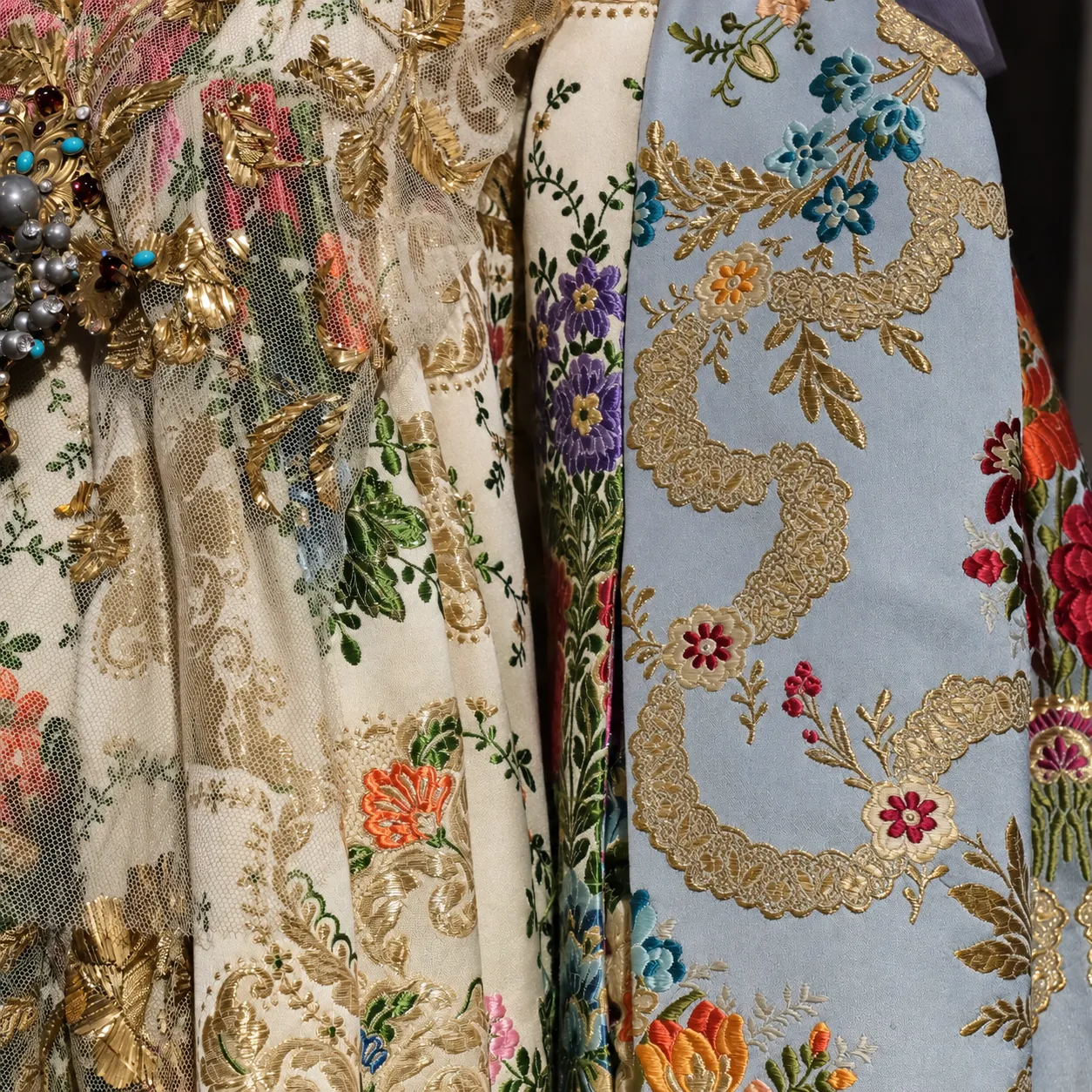
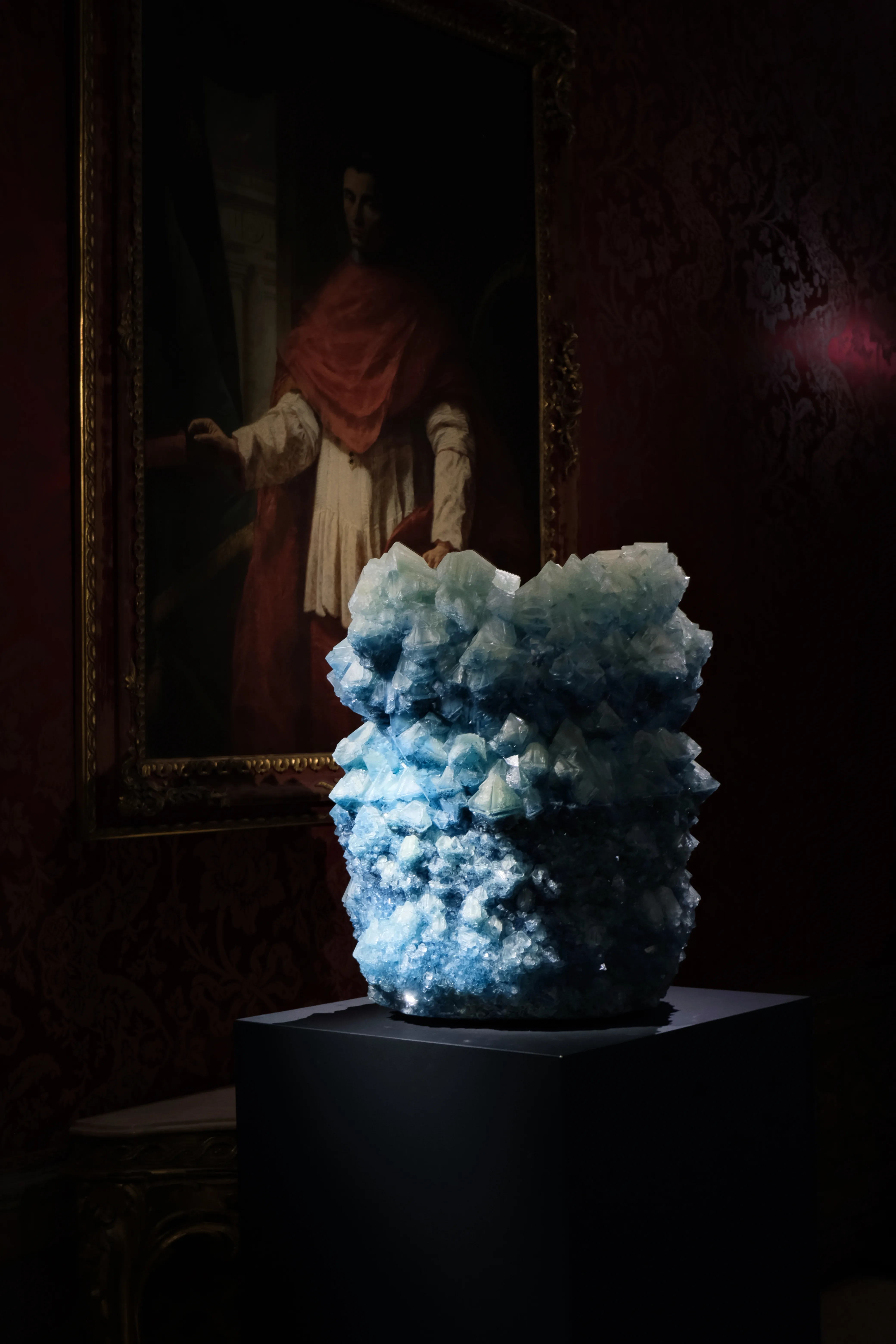
The Fondazione Dries Van Noten extends the Belgian designer’s long-standing interest in the relationships between fashion, art, craft and decorative culture. The collection brings them into direct contact, creating a rich and diverse ensemble of couture garments, contemporary installations and historical objects.
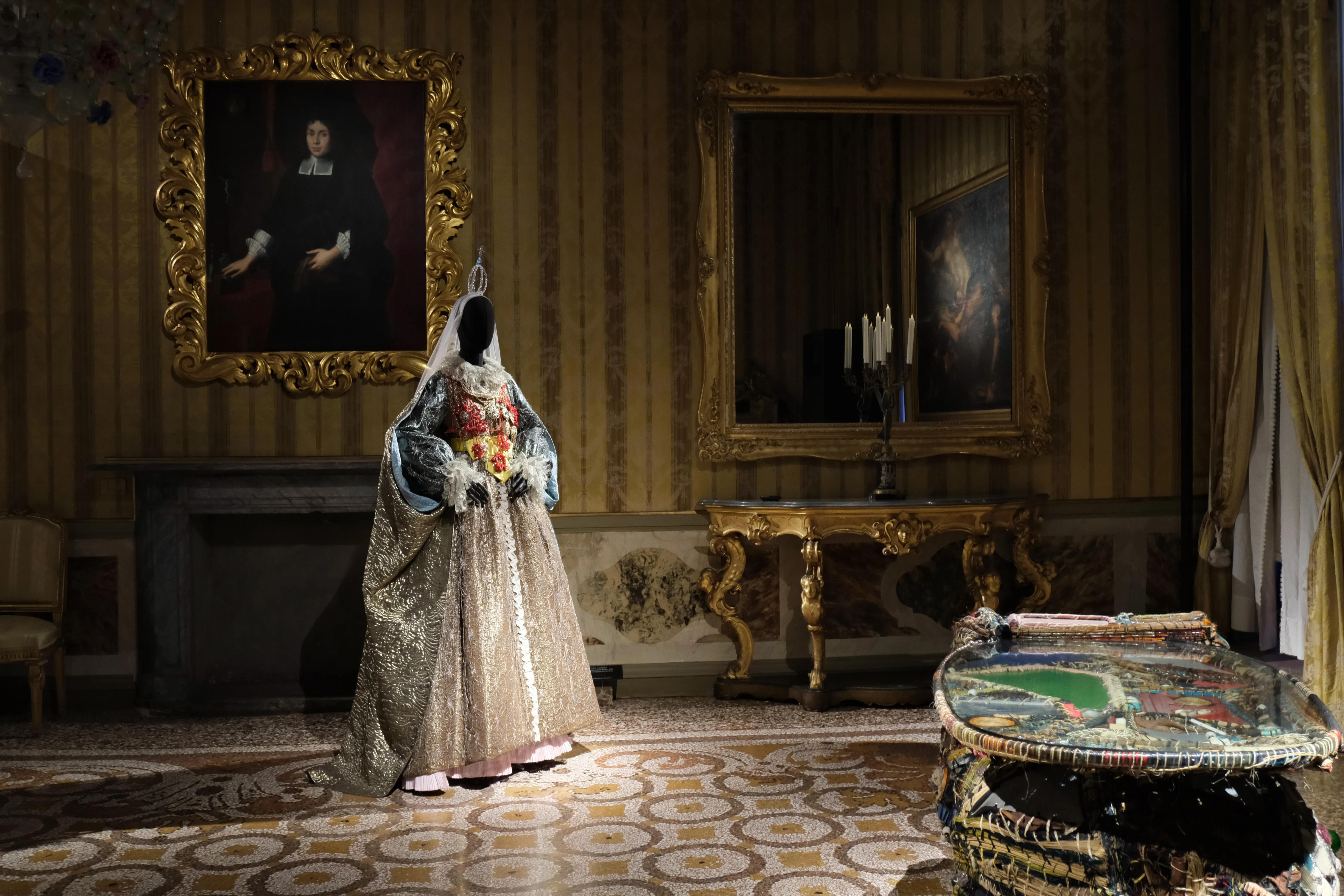
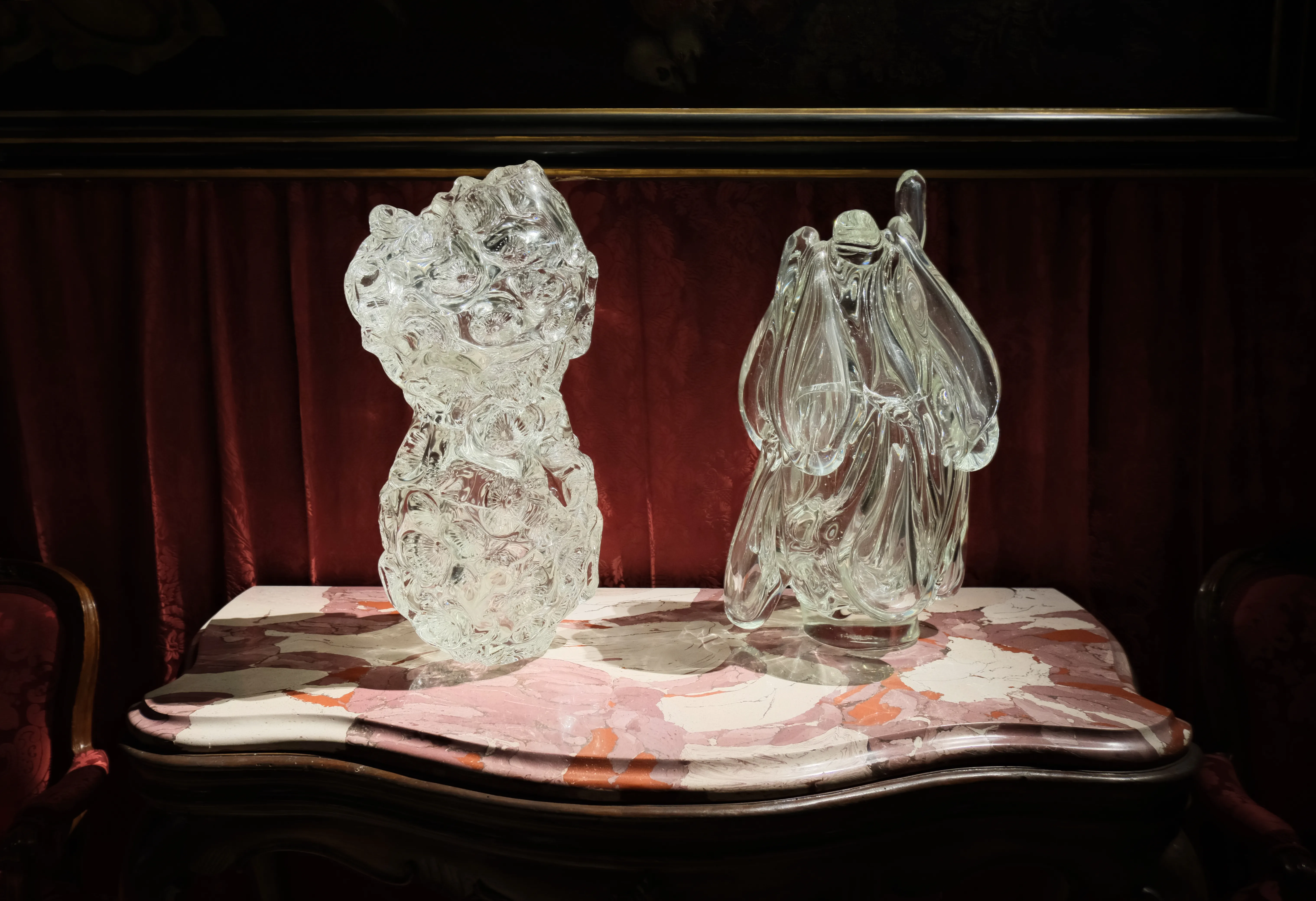
This approach reflects a way of collecting based on affinities, where material, colour, technique and form create connections between works produced in different contexts. The result feels personal while remaining open-ended.
Curated in collaboration with Geert Bruloot, a key figure in Antwerp’s fashion scene and an early supporter of Belgian designers, the exhibition considers beauty as an open, cross-disciplinary question. The display develops through subtle correspondences and contrasts, with particular attention to craftsmanship and the act of making.
When the collection
meets the palazzo
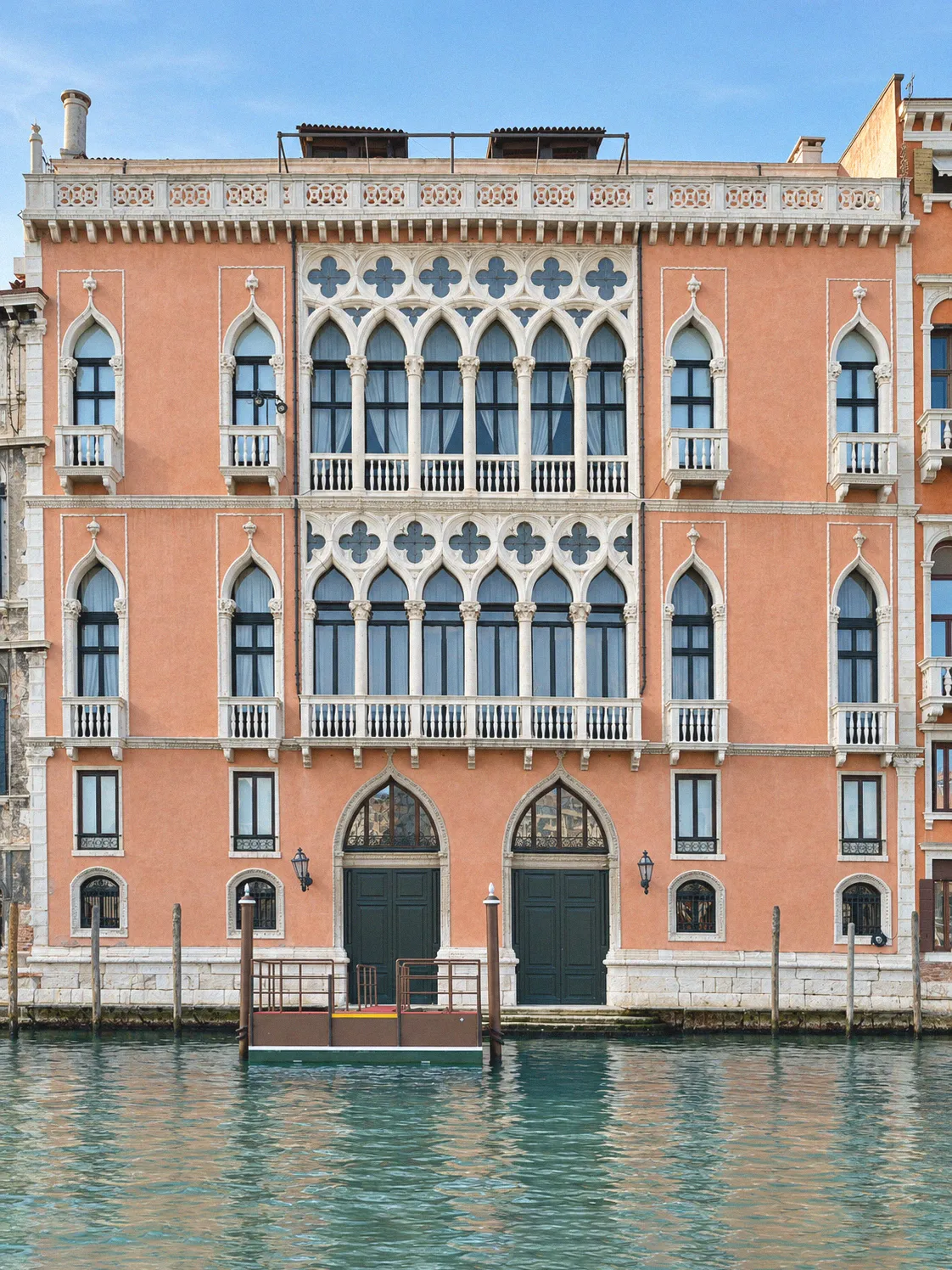
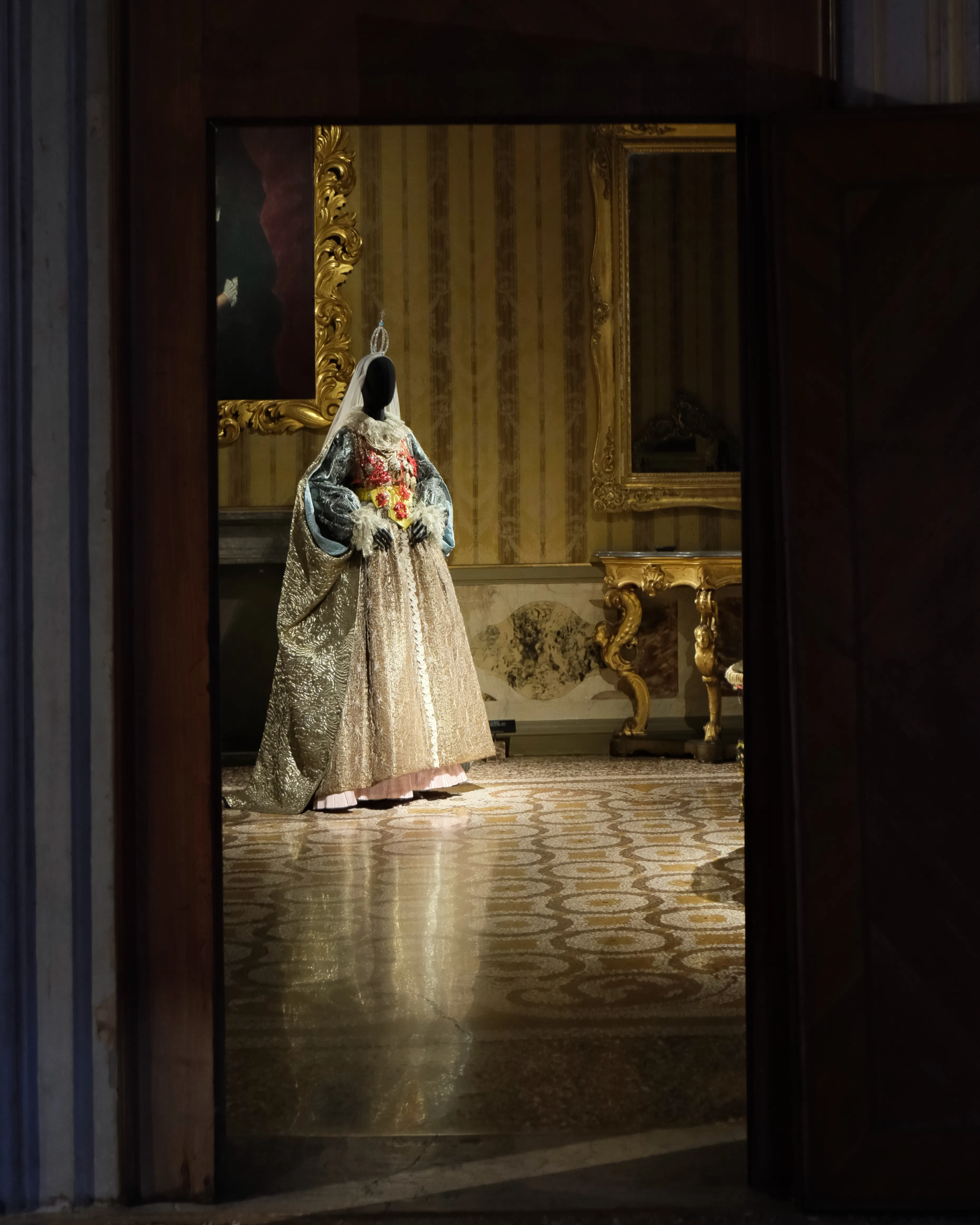
Dries Van Noten chose the Palazzo Pisani Moretta as the setting for his collection, which brings together works from different periods and disciplines. Behind its late Gothic façade, its eighteenth-century interiors also combine an exquisite decoration, precious materials and Venetian craftsmanship.
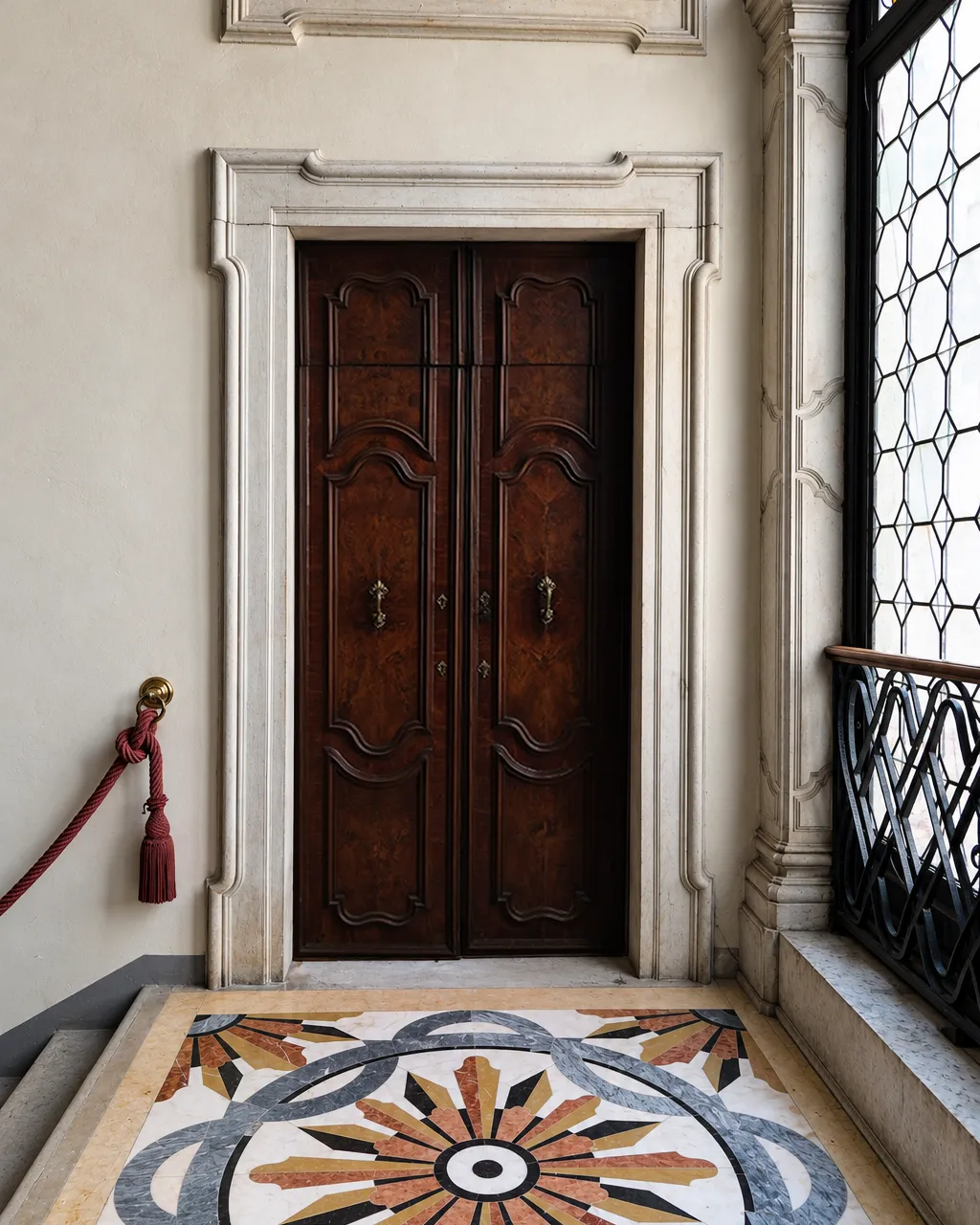
Built in the fifteenth century, the palazzo was extensively transformed in the eighteenth century under Chiara Pisani, who commissioned a major campaign of renovation to bring the residence in line with contemporary taste. A monumental staircase was added and the interiors were richly redecorated with beautiful terrazzo floorings, woodworks and frescoes, turning the house into one of Venice’s most accomplished examples of Baroque domestic architecture.
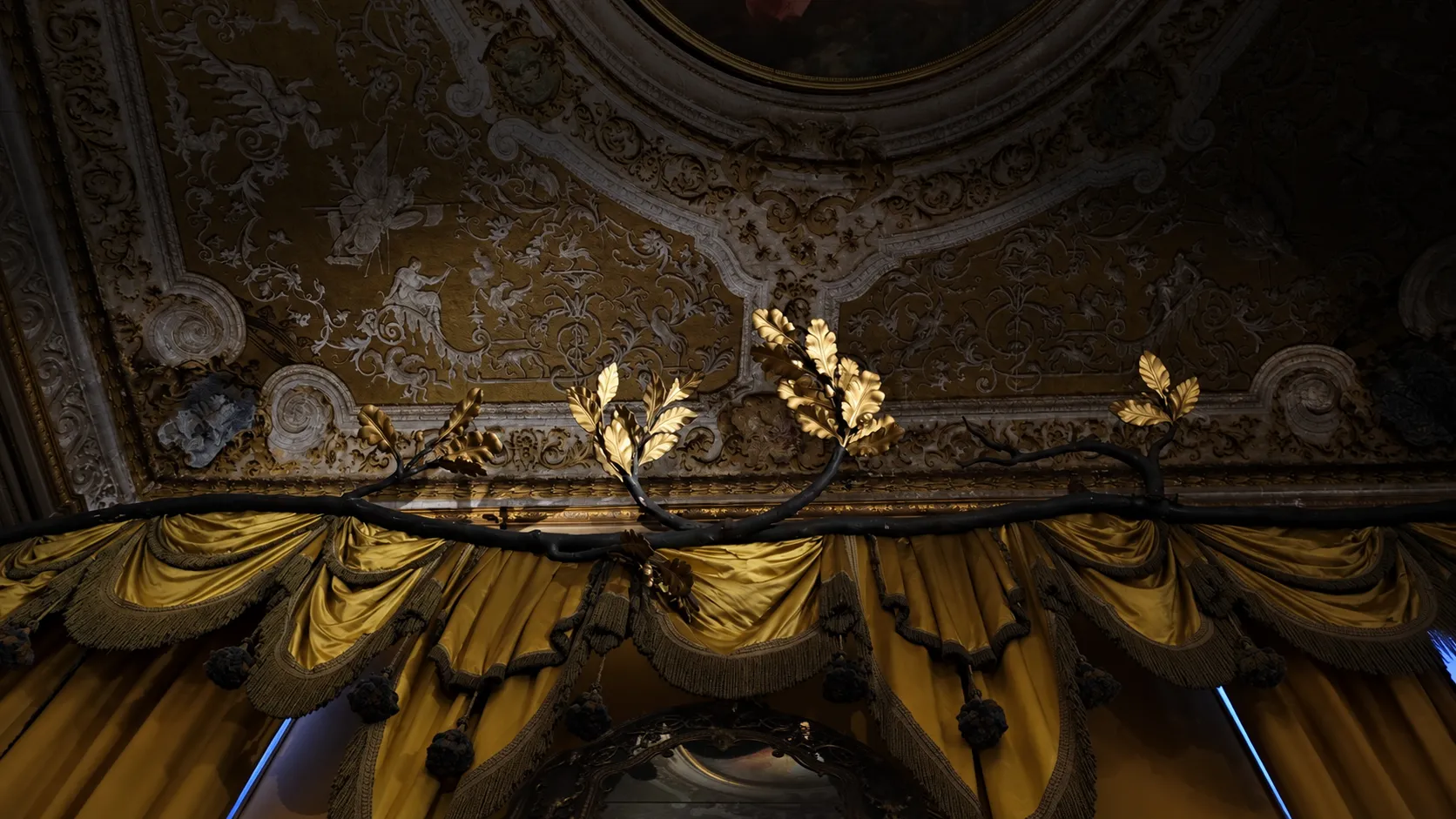
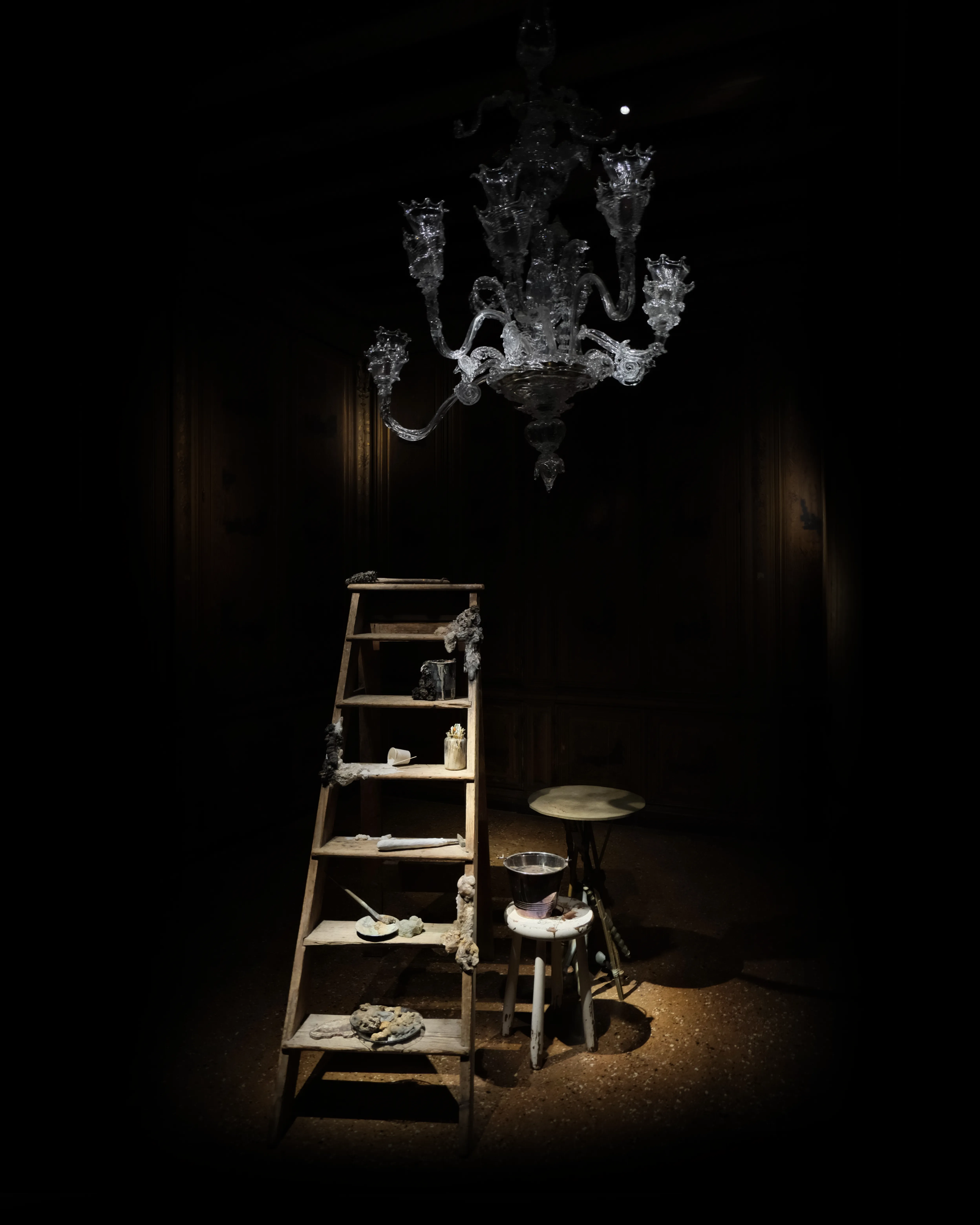
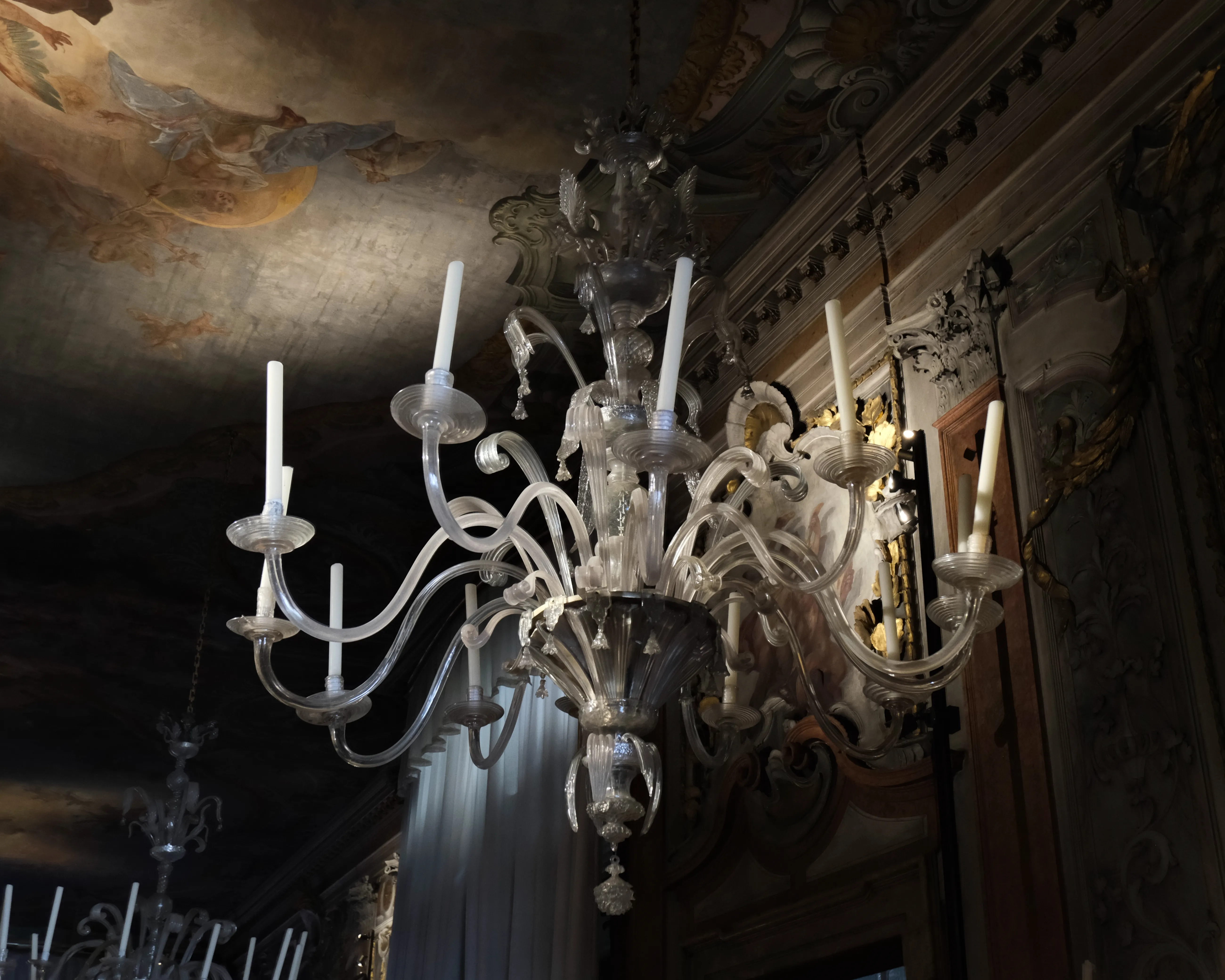
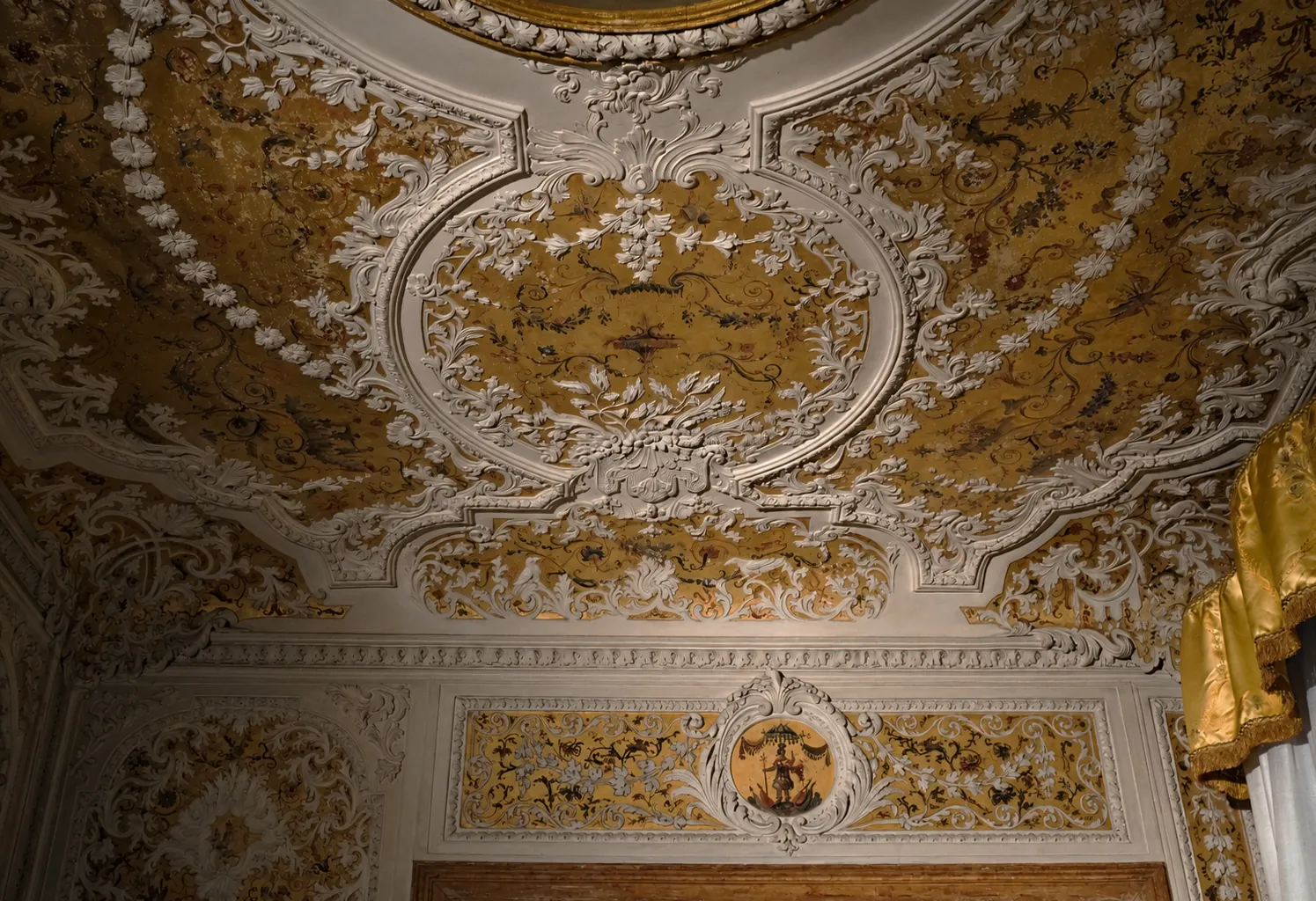
Throughout the visit, this setting remains constantly present : ceilings painted by Giambattista Tiepolo, one of the leading Venetian painters of the eighteenth century, the white-and-gold stucco of the Camerino d'Oro and the palace’s chandeliers all establish a strong visual idea of beauty against which the exhibited works are placed.
Despite its scale, the palazzo remains recognisable as a house : glassware is kept in cabinets, furniture remains in place, while Venetian lighting, from wall sconces to chandeliers, plays a central role in the identity of the rooms.
The choice of Palazzo Pisani Moretta also reflects the wider ambitions of the Fondazione : conceived after Van Noten’s departure from his fashion house, it acts as a platform for exchange across creative disciplines. Venice, with its long tradition of craftsmanship and specialised production, provides a natural setting for this project.
What Does Beauty
Mean Today?
For Dries Van Noten, beauty extends beyond an aesthetic ideal and is presented as something personal and unstable, capable of producing pleasure but also discomfort, surprise or even resistance. The exhibition underlines that a work does not necessarily need to be immediately attractive to be beautiful but can demand time, attention or even alter the way we look at an apparently familiar scene.
This understanding recalls the famous phrase from Dostoevsky’s The Idiot “beauty will save the world”. In Dostoevsky, beauty also carries a broader moral and spiritual weight, tied to the possibility of preserving humanity in a world marked by violence, contradiction and suffering. If Van Noten’s proposition surely feels more secular and contemporary, it also shares this idea that beauty can still have value precisely because it keeps sensitivity active.
The title The Only True Protest Is Beauty can therefore be read less as a frivolous retreat from difficult realities than as a position on how to face them. Beauty becomes a way of remaining receptive, curious and attentive. Within the exhibition, it emerges through craftsmanship, colour, material, proportion or tension.
Seen this way, the exhibition is also asking a broader question: in our evermore superficial environment, what role does beauty still play in contemporary culture?
The Only True Protest is Beauty
Palazzo Pisani Moretta, Venice
On view until 4 October 2026